
Home Blog Page 3

VLCC Strait of Hormuz Attack: Tanker Hit by 3 Projectiles

Security firms report conflicting details on vessel identity amid rising Gulf tensions

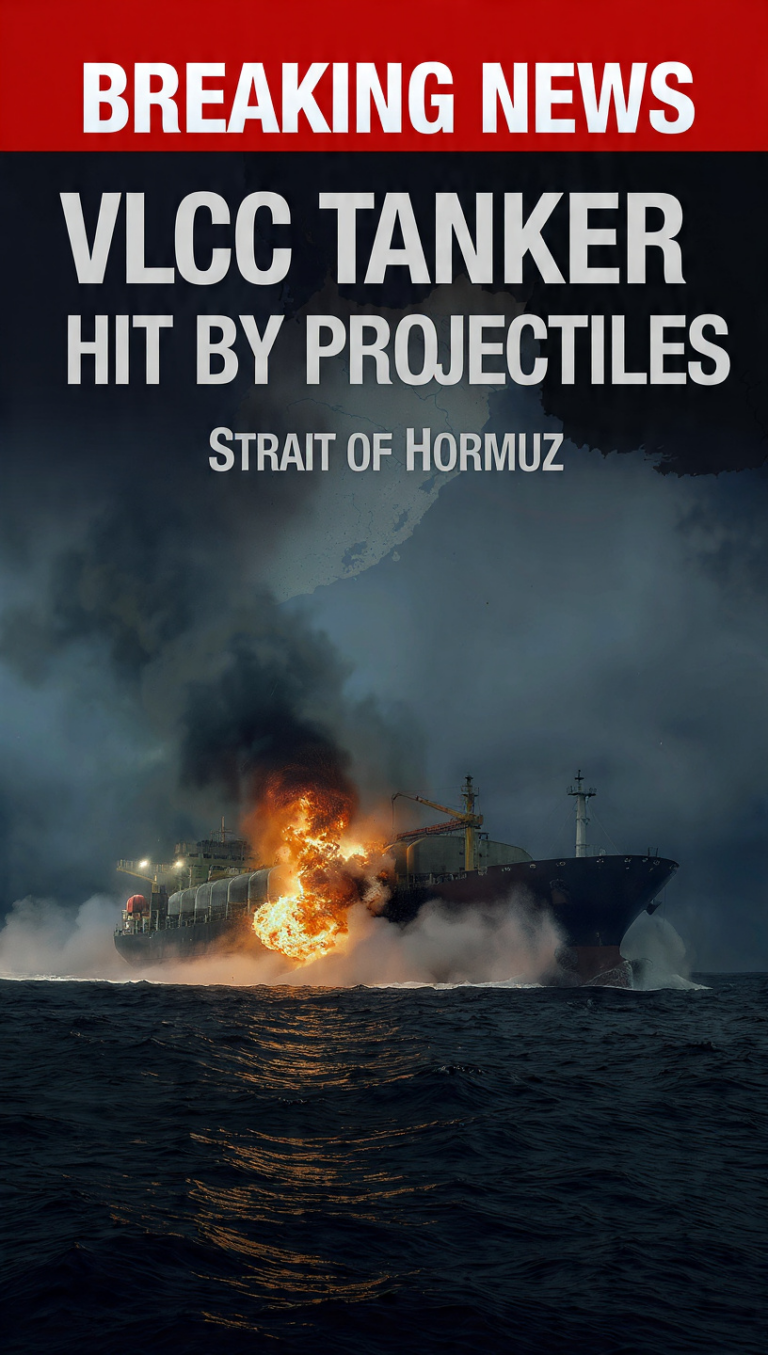
A Very Large Crude Carrier (VLCC) was hit by three projectiles while exiting the Strait of Hormuz on Sunday, maritime sources reported, sparking fresh concerns over shipping security in the vital oil transit route.

Details of VLCC Strait of Hormuz Attack

The VLCC Strait of Hormuz attack raises concerns…
Last me: Authorities are investigating the VLCC Strait of Hormuz attack

According to initial reports from private maritime security companies, the incident took place as the tanker was transiting out of the Strait of Hormuz, which handles nearly 20% of the world’s oil shipments.

However, security companies have given conflicting information as to the identity of the vessel hit. Details regarding the ship’s flag, ownership, and cargo remain unconfirmed at this time.

No official statement has been released by regional authorities yet. There are no immediate reports of casualties or oil spillage.
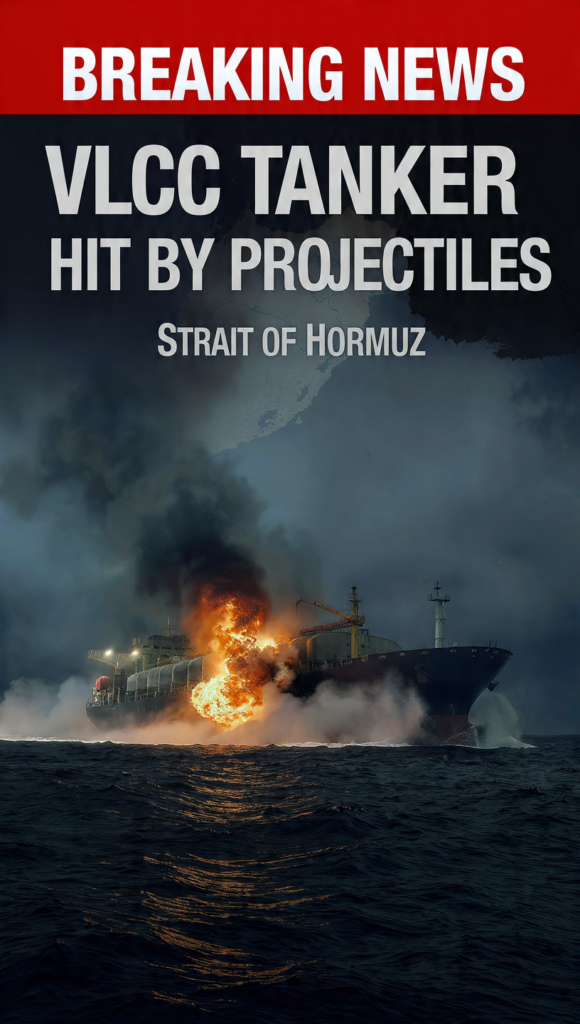
VLCC Strait of Hormuz attack

The Strait of Hormuz is a critical chokepoint for global energy supplies. Any incident in the area leads to a spike in shipping insurance costs and oil market volatility.

This development comes amid heightened military activity and tensions in the Gulf region over the past week.

The Strait of Hormuz News Desk is monitoring the situation and will provide updates as more information becomes available.

A VLCC Strait of Hormuz attack was reported on Sunday after a Very Large Crude Carrier was hit by three projectiles while exiting the Strait of Hormuz.

The Strait of Hormuz is the world’s most important oil chokepoint, with nearly 20% of global oil passing through it daily. Any attack here directly impacts oil prices and shipping insurance.

This incident comes amid rising tensions between regional powers in the Gulf. Maritime authorities have advised all vessels to exercise caution while transiting the area.

The Strait of Hormuz handles 20% of the world’s oil. Any attack here causes oil prices to rise globally.

Maritime security experts say vessels should increase alert level while passing through the chokepoint.

For more Gulf News visit Home
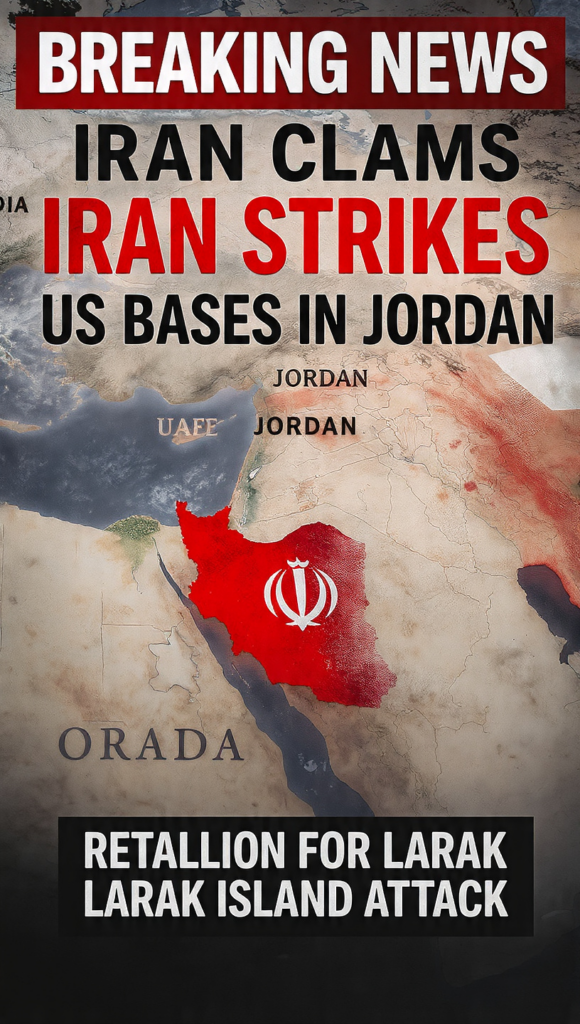
Iran Claims Retaliatory Strike on US Targets in Jordan

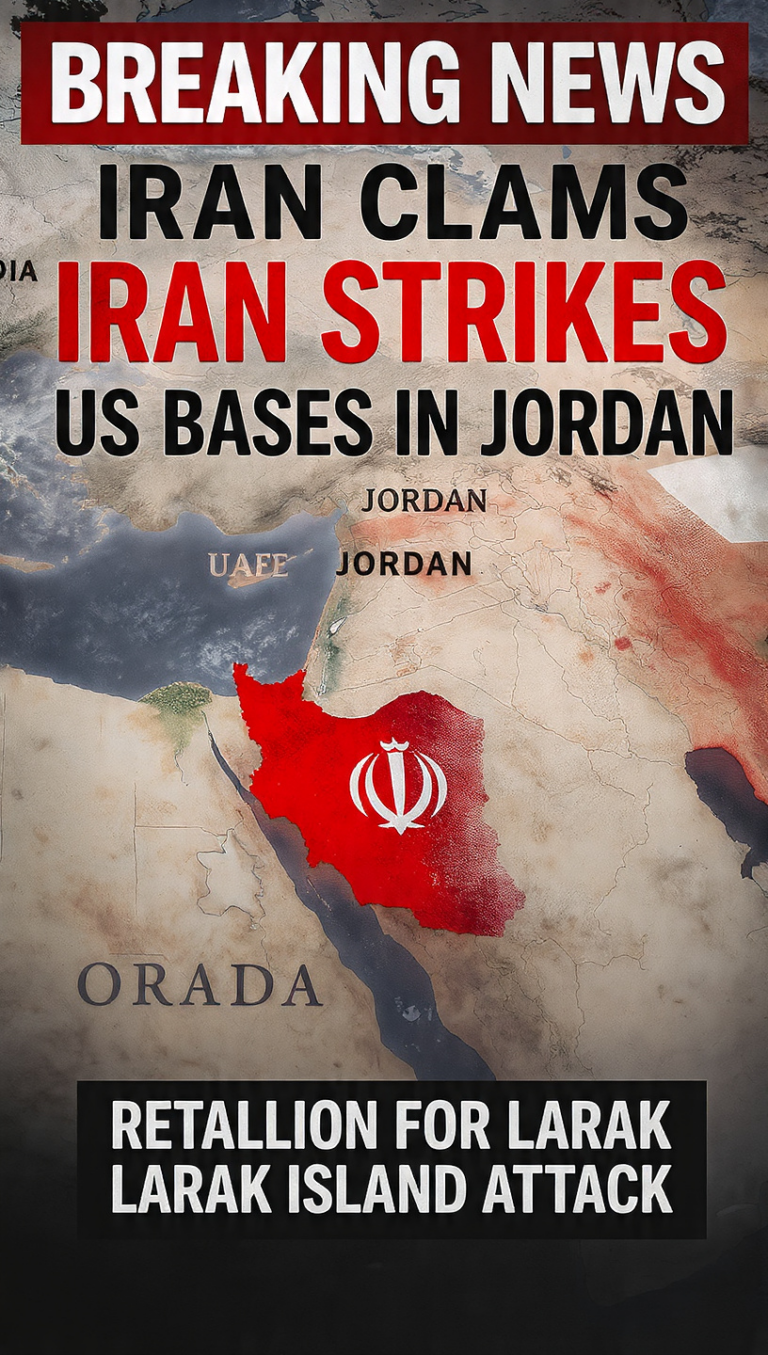
IRAN STRIKES US BASES IN JORDAN
Retaliation for Larak Island Attack

🚨 BREAKING NEWS | AUGUST 31, 2026 🚨

IRAN CLAIMS ATTACK ON US TARGETS IN JORDAN

Iran US Jordan attack has escalated tensions in the Middle East. Tehran claims it carried out strikes on US military targets in Jordan in retaliation for a US attack on two rocket launchers on Iran’s Larak Island.

Tehran says it carried out strikes on US military targets in Jordan in retaliation for a US attack on two rocket launchers on Iran’s Larak Island.

According to Iranian officials, the Jordan strikes were a direct response to US aggression.

However, the UAE Ministry of Defence has rejected Iran’s claims.
The UAE stated that there was NO attack on Al Minhad Airbase.

The situation in the Middle East remains volatile as both sides trade accusations.

BACKGROUND:
The US had earlier conducted strikes on Larak Island, targeting Iranian military assets. Iran cited this as the reason for its retaliatory action in Jordan.

Iran Claims Retaliatory Strike on US Targets in Jordan Breaking News August 2026

UAE RESPONSE:
However, the UAE Ministry of Defence has rejected Iran’s claims. Officials stated that there was NO attack on Al Minhad Airbase and the situation at the base is normal.

WHAT’S NEXT:
The situation in the Middle East remains volatile as both sides trade accusations. International leaders have called for de-escalation.

REACTION FROM REGIONAL POWERS

The Iran US Jordan attack has triggered strong reactions across the Gulf region. Saudi Arabia and Kuwait have urged restraint from both sides. Diplomatic channels are reportedly active to prevent further escalation. Analysts believe this is one of the most serious incidents between US and Iran in 2026 so far.

MILITARY ANALYSIS

Defense experts say the alleged strike on US targets in Jordan would mark a significant escalation. Jordan hosts several US military installations and training bases. If confirmed, this would be the first direct Iranian retaliation on US forces outside Iran since January. The Pentagon has not yet issued an official statement on the matter.

WHAT HAPPENS NEXT

The international community is watching closely. The UN Security Council may hold an emergency meeting. Oil prices have already seen a spike following the news. For now, both Iran and the US have not confirmed full details of the Iran US Jordan attack. The UAE’s denial of any strike on Al Minhad Airbase adds to the confusion. We will keep updating this story as more information comes in.

IMPACT ON OIL AND SHIPPING

The Iran US Jordan attack news immediately impacted oil markets. Brent crude prices jumped 3% within hours. The Strait of Hormuz remains critical for global oil shipping. Any escalation in the region raises concerns for tankers passing through Gulf waters. Shipping companies are on high alert.

PUBLIC REACTION

Social media is flooded with reactions to the Iran US Jordan attack. #Iran and #Jordan are trending worldwide. Many users are calling for peace while others express support for their respective countries. News channels across the Middle East are running breaking news tickers.

OFFICIAL STATEMENTS

So far, Iran has confirmed the retaliatory strike. The US Department of Defense is yet to release an official statement. Jordanian officials have not commented publicly. The UAE has clearly denied any attack on Al Minhad Airbase. We are monitoring the situation and will update this article as new details emerge.

TIMELINE OF EVENTS

The Iran US Jordan attack comes after days of rising tensions. First, the US struck two rocket launchers on Iran’s Larak Island. Hours later, Iran claimed it responded by targeting US positions in Jordan. This rapid escalation has caught regional observers by surprise.

REGIONAL SECURITY CONCERNS

Jordan is a key US ally in the Middle East. It hosts US troops and military equipment. Any attack on US targets in Jordan raises serious security questions. Neighboring countries including Saudi Arabia and Iraq have increased their military alert levels following the Iran US Jordan attack.

WHAT EXPERTS ARE SAYING

Middle East analysts say this is a dangerous moment. “The Iran US Jordan attack could trigger a wider conflict if not contained,” said one security expert. Others believe diplomatic talks will start soon. For now, the world is waiting for official confirmation from all sides involved.Also Read: [US Military Bases in Middle East 2026]

US Iran Tensions 2026: 5 Big Impacts On Oil Prices

Table of Contents

  1. What Triggered US Iran Tensions 2026
  2. Impact On Oil Prices
  3. Strait of Hormuz Risk

US Iran tensions 2026 have increased after new sanctions

Impact of US Iran Tensions 2026 on Oil US.Iran tensions 2026 have escalated after new US sanctions.

Iran war updates: US announces new sanctions against Iran on 24 Aug 2026. Know impact on oil prices, Strait of Hormuz and Middle East tensions.US Iran tensions 2026 have reached a new high after Washington announced fresh sanctions against Tehran on 24 August. The move has sparked fears of an oil supply crisis and raised questions about stability in the Strait of Hormuz.

What Triggered US Iran Tensions 2026

The latest round of US Iran tensions 2026 started after Iran was accused of increasing uranium enrichment levels. The US Treasury Department said 5 new entities were added to the sanctions list for helping Iran sell oil in secret. Officials in Washington claim the sanctions will cut Iran’s oil exports by 1 million barrels per day.Iran responded by calling the move “economic terrorism” and warned of consequences in the Gulf region. Iranian leaders said they reserve the right to protect their shipping lanes.us iran tensions 2026

us sanctions against iran oil tanker strait of hormuz

us sanctions against iran oil tanker strait of hormuz

Why US Iran Tensions 2026 Are Rising

US Iran tensions 2026 escalated after Washington accused Tehran of increasing uranium enrichment. The US Treasury Department announced new sanctions on 5 Iranian firms involved in secret oil exports. US officials claim these sanctions will cut Iran’s oil exports by 1 million barrels per day.

Iran rejected the claims and called it “economic war”. Iranian leaders warned of action in the Gulf region. This statement raised fears about the safety of the Strait of Hormuz.us iran tensions 2026

Oil Prices Jump After News

The US Iran tensions 2026 news sent shockwaves in oil markets. Brent crude jumped 4.2% to $99 per barrel. Analysts say if tensions continue, oil can cross $120 next month.

Stock markets also fell. US and European indices dropped while gold prices rose. Energy stocks gained but airlines and transport stocks lost value.us iran tensions 2026

For Asia, the impact is serious. India, China and Japan import most oil from Middle East. Higher oil prices mean higher inflation for common people.

Strait of Hormuz At Risk

The biggest worry in US Iran tensions 2026 is the Strait of Hormuz. 20% of world oil passes through this route daily.

Shipping insurance costs have tripled in last 2 weeks. Over 15 tankers are waiting outside the strait. Companies are avoiding Iranian waters due to risk.

The US Navy said it increased patrols to protect ships. European nations asked both countries to avoid conflict in the strait.

Global Reaction And Next Steps

The UN Security Council will meet this week to discuss US Iran tensions 2026. EU leaders want diplomatic talks. China and Russia urged both sides to show restraint.

India is monitoring the situation closely. Government officials are talking to UAE and Saudi Arabia for alternate oil supply. MEA advised Indians in Gulf to stay careful.

Economists say prolonged US Iran tensions 2026 can slow global growth and increase inflation. The next 2 weeks are crucial for energy markets.US Treasury Department.

Expert Opinion On US Iran Tensions 2026

Energy analysts say US Iran tensions 2026 will keep oil markets unstable for next 3 months. “This is about more than sanctions. It is about control of Gulf energy,” said a senior analyst. The IMF warned that prolonged tensions can increase global inflation by 1.2%.

What To Expect Next

Diplomatic sources say backchannel talks may start next week between US and Iran. Until then, markets will remain volatile. Investors are advised to watch oil prices and shipping news closely.

US Iran tensions 2026 remain a major concern for global energy markets and investors worldwide are watching closely of strait of Hormuz at sea. US Treasury Department pe https://www.reuters.com

US Iran tensions 2026 affecting oil tankers in Strait of Hormuz

US Iran Tensions 2026: 5 Big Impacts On Oil And Sanctions Explained

Indian Navy Deploys Warships to Protect Shipping Routes in Arabian Sea

0

Why Indian Navy warships Arabian Sea Deployment Matters?

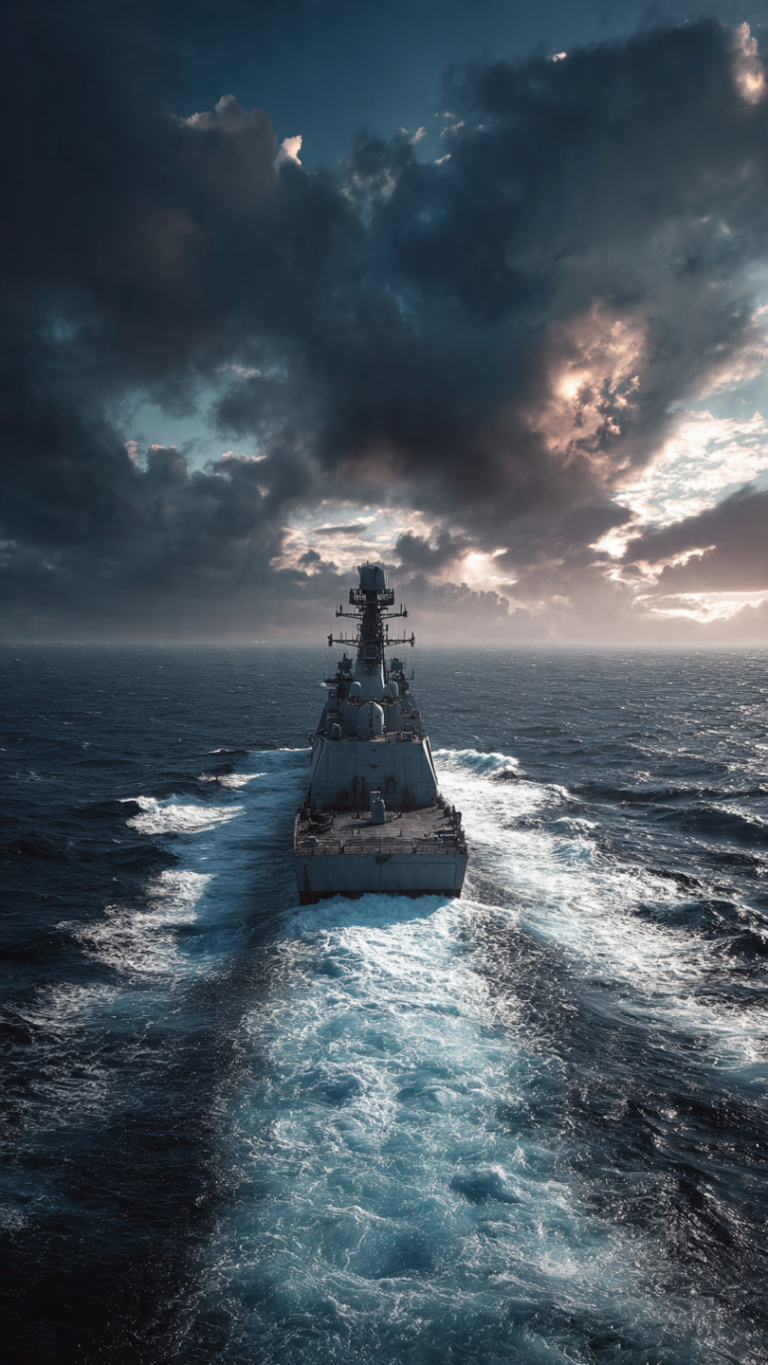
Indian Navy warships Arabian Sea

NEW DELHI – Amid rising tensions in the Gulf, the Indian Navy has deployed additional warships to the Arabian Sea to ensure the safety of Indian merchant vessels and crew members.

The Ministry of Shipping and Ministry of External Affairs held an emergency meeting on Saturday to review the situation. Officials said all Indian-flagged ships passing through the Strait of Hormuz must now follow strict security protocols.

Key Updates for India:

  1. Naval Protection: INS Kolkata and INS Chennai have been sent to escort Indian oil tankers and cargo ships in high-risk zones.
  2. Seafarers Safety: Over 2000 Indian crew members work on ships that transit through Gulf waters daily. Shipping companies have been told to avoid night transit near Iran and Oman coasts.
  3. Port Alert: Major Indian ports including Mumbai, Kandla, Kochi and JNPA are on high alert. Extra security checks are being done for all incoming vessels.
  4. Freight Costs: Shipping rates from India to Europe have increased by 18% due to longer routes. This may lead to higher prices for imported goods in the coming weeks.

A senior government official said, “The safety of Indian seafarers and trade is our top priority. We are in touch with UAE, Oman and Saudi authorities.”

Indian oil companies have confirmed that crude oil supply is normal for now, but they are monitoring the situation hour by hour.

The deployment comes after a series of attacks on commercial vessels including the recent El Gaia tanker attack near Strait of Hormuz and US strike on Iranian tanker M/T Kylo. The Indian Navy said its warships will ensure safe passage for merchant ships.Sources say the move also protects India’s energy security as over 60% of its oil passes through the Strait of Hormuz.

The deployment comes after a series of attacks on commercial vessels including the recent El Gaia tanker attack and US strike on Iranian tanker M/T Kylo. The Indian Navy said its warships will ensure safe passage for merchant ships in Arabian Sea.

This move protects India’s energy security as over 60% of its oil passes through the Strait of Hormuz, which is currently facing major disruptions.

that global shipping is facing major threats. The Indian Navy warships Arabian Sea mission will coordinate with US forces after recent incidents like the El Gaia tanker attack near Strait of Hormuz and US strike on Iranian tanker M/T Kylo. According to Indian Navy official site, warships are on high alert.

Gulf Oil Crisis: Tanker Rerouting and Rising Fuel Prices Hit Dubai Residents

0

DUBAI – The Gulf region is facing fresh tension as oil tankers are being rerouted away from the Strait of Hormuz due to rising security concerns.

In the last 48 hours, three major shipping companies including Maersk and MSC announced that their vessels will take longer routes around Africa instead of passing through Gulf waters. This has caused delays in oil shipments to Europe and Asia.

Impact in Dubai:

  1. Petrol Price: Petrol prices in Dubai have increased by 15%. One litre of petrol now costs 3.45 AED.
  2. Electricity and Transport: DEWA warned that if oil supply disruptions continue, electricity bills could rise. Taxi and bus fares are also expected to increase next week.
  3. Public Problems: Residents are facing pressure. Prices of imported goods in supermarkets are rising because shipping costs have gone up.

The UAE Energy Minister stated, “We are monitoring the situation closely. Our strategic oil reserves are full and there is no shortage.”

Port authorities have doubled security. Every ship at Jebel Ali Port is undergoing extra checks. Insurance companies have also increased “war risk premiums” by 25%.

Experts say if tensions continue for another week, global oil prices could cross $100 per barrel.

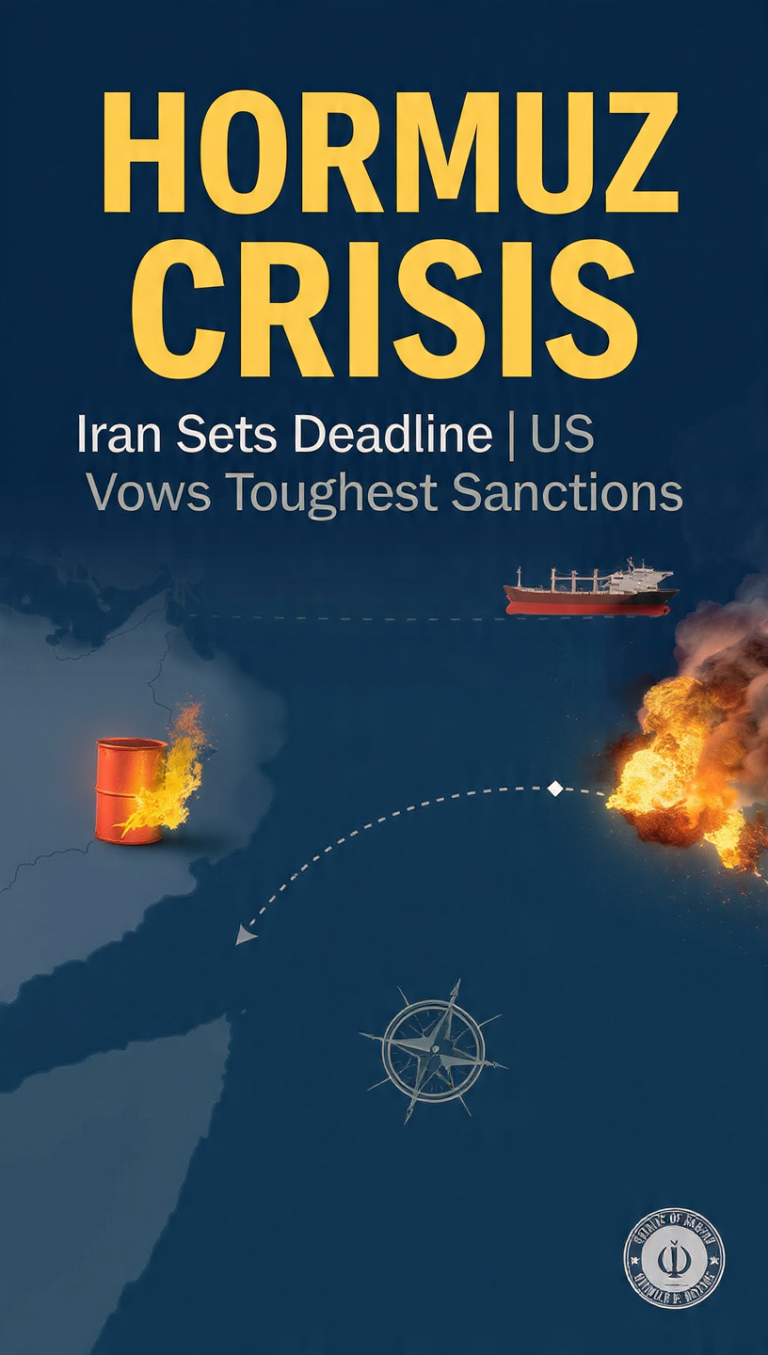
US Vows Toughest Sanctions on Iran

Tensions Surge in Strait of Hormuz as Iran Sets Deadline, US Vows ‘Toughest Sanctions in History’

TEHRAN / WASHINGTON – The strategically vital Strait of Hormuz is once again at the center of rising tensions as Iran issued a stern warning and the United States announced sweeping new economic measures against Tehran.A senior Iranian official told Reuters on Monday that Tehran will escalate tensions in the Strait of Hormuz and beyond if the U.S. fails to fully implement an interim peace deal within the next few weeks.”If the U.S. does not meet that deadline and diplomacy fails, Tehran would conduct a ‘timely and precise’ military attack to break the U.S. naval blockade,” the official added.Iran said it is shifting its policy from defence to offence, citing a loss of confidence in Washington’s commitment to diplomacy. Iranian officials also stated that the Strait of Hormuz will not reopen until the U.S. first returns to the deal.US Responds with ‘Maximum Economic Pressure’In a direct response, U.S. Treasury Secretary Scott Bessent declared on Thursday that Washington will impose “the toughest sanctions in history” on Iran.President Donald Trump also warned of “Economic Warfare” against any country providing “any type of lifeline to Iran”.Bessent said the new sanctions are part of a “one-two punch” that includes the U.S. naval blockade imposed on Iran in April. He suggested that maximum economic pressure could reduce the need for “large-scale kinetic” military action.Impact on Oil and ShippingFollowing the U.S. threats, oil prices rose to a three-week high. The Strait of Hormuz carries about one-fifth of all traded oil globally, making any disruption a major risk for global energy markets.Iran’s foreign ministry condemned the sanctions as “economic terrorism” that targets ordinary Iranians.The U.S. and Iran have twice announced ceasefire deals in April and June to restore free navigation through Hormuz, but both agreements quickly crumbled.

Strait of Hormuz: Why This 21-Mile Waterway Controls Global Oil

0

The Strait of Hormuz importance is that 20% of the world’s oil passes through this 21-mile waterway between Iran and Oman.The Strait of Hormuz is the world’s most critical oil chokepoint. This narrow waterway between Iran and Oman is only 21 miles wide at its narrowest point.Every day, nearly 20% of the world’s oil passes through this strait.That means 1 out of every 5 barrels of oil on the planet comes from here. Countries like Saudi Arabia, UAE, and strait of Hormuz importance Qatar depend on it to export oil.Any tension or military activity in the Strait of Hormuz can cause global oil prices to jump overnight. This is why the strait is called the most important shipping lane in the world.

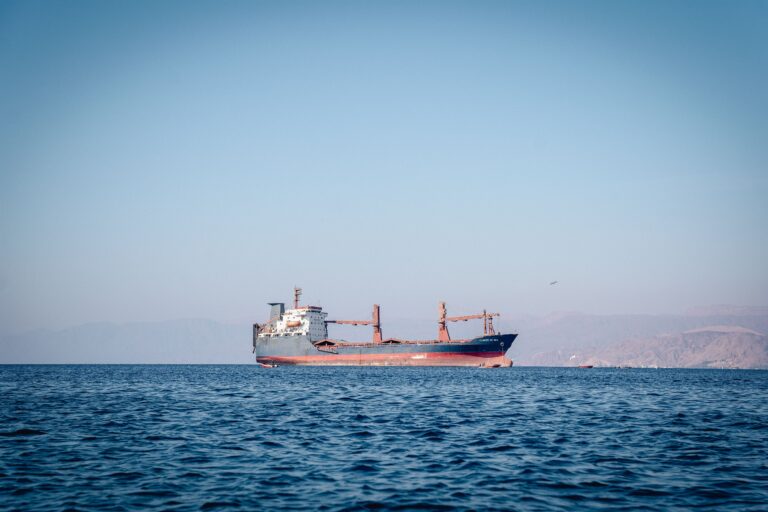
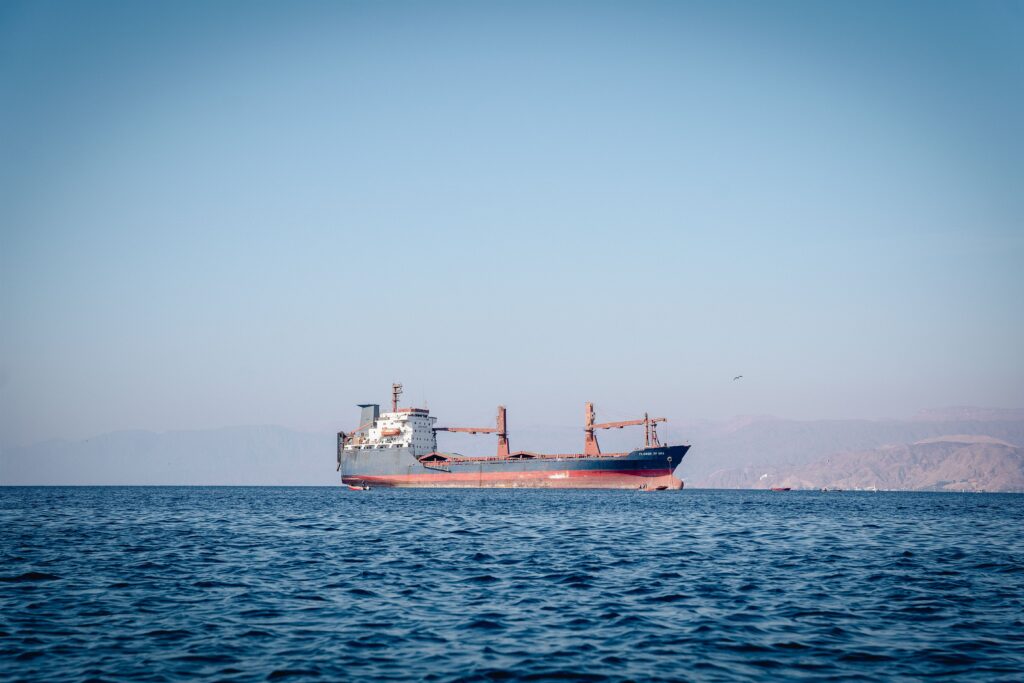
Cargo ship sailing in Strait of Hormuz

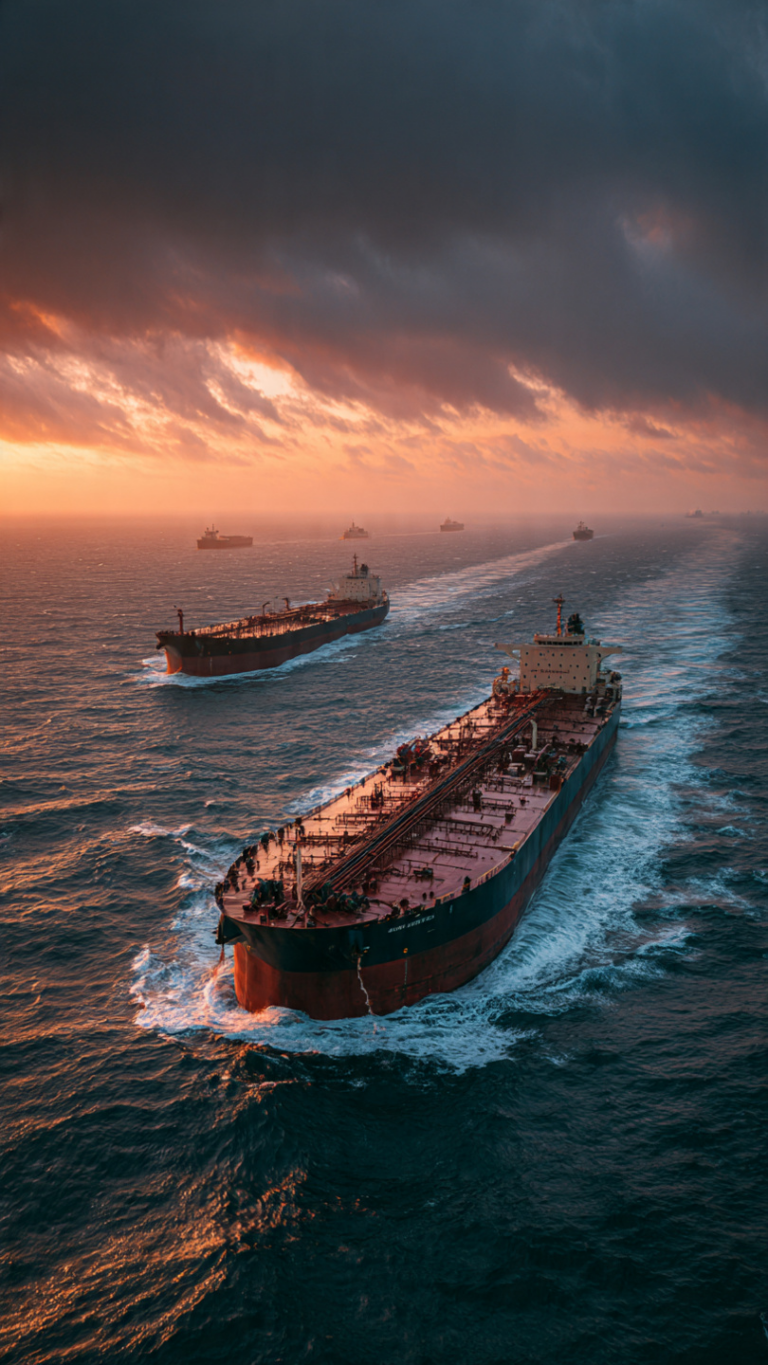
Oil Tanker Strait of Hormuz

What Happens If The Strait of Hormuz Gets Blocked?

EFFECT 1: Oil Price Shock
If the Strait of Hormuz gets blocked, the first thing the world will feel is a massive oil price shock. This 21-mile waterway carries 20% of the world’s oil and 25% of LNG. That means 17-18 million barrels of oil per day would be stuck. Experts say oil prices could jump from $80 to $150 or even $200 per barrel within days. The Strait of Hormuz importance becomes clear because there is no other sea route big enough to replace it. Pipelines in Saudi Arabia and UAE can only move 4-5 million barrels. The rest has no way out. This will hit every country that imports oil, especially India, China, Japan and Europe.

EFFECT 2: Global Inflation and Economy Crisis
A blockage will not just affect oil. It will cause global inflation to spike. Transport, shipping, food, and manufacturing all depend on fuel. When diesel and petrol get expensive, the cost of everything goes up. Airlines will increase ticket prices. Shipping companies will take longer routes around Africa, adding 15 days and huge costs. The Strait of Hormuz importance for the global economy is that it keeps supply chains running. If it closes, stock markets will crash, and many countries could go into recession. Even countries that don’t buy Middle East oil will suffer because global prices are connected.

EFFECT 3: Food and Supply Shortages
The impact will also reach your kitchen. Many Gulf countries import 80-90% of their food through this route. A blockade means food shortages and empty shelves in the region. For the rest of the world, fertilizer and grain shipments will get delayed. Countries like Pakistan, India, and Bangladesh that import LPG for cooking will face gas shortages. The Strait of Hormuz importance in daily life is huge because it’s not just about cars. It’s about food, heat, and electricity for millions of people. Governments would have to release emergency oil reserves, but those will only last 60-90 days.

EFFECT 4: Geopolitical Tensions and Military Risk
Finally, a blockade would create huge geopolitical tensions. The US, UK, and other navies patrol the area to keep it open. Any attempt to close it could lead to military conflict in the region. Iran has threatened to close it before, and other countries have warned of serious consequences. Insurance costs for ships would become 10x higher, so many tankers would refuse to go. The Strait of Hormuz importance for world peace is that keeping it open avoids war and keeps trade flowing. In short, blocking this small waterway would trigger an economic and political crisis worldwide.

In conclusion, the Strait of Hormuz importance cannot be ignored by any nation. This small waterway impacts global oil prices, trade, food security, and world peace. Keeping it open and safe is in the interest of every country that depends on energy and international trade.