
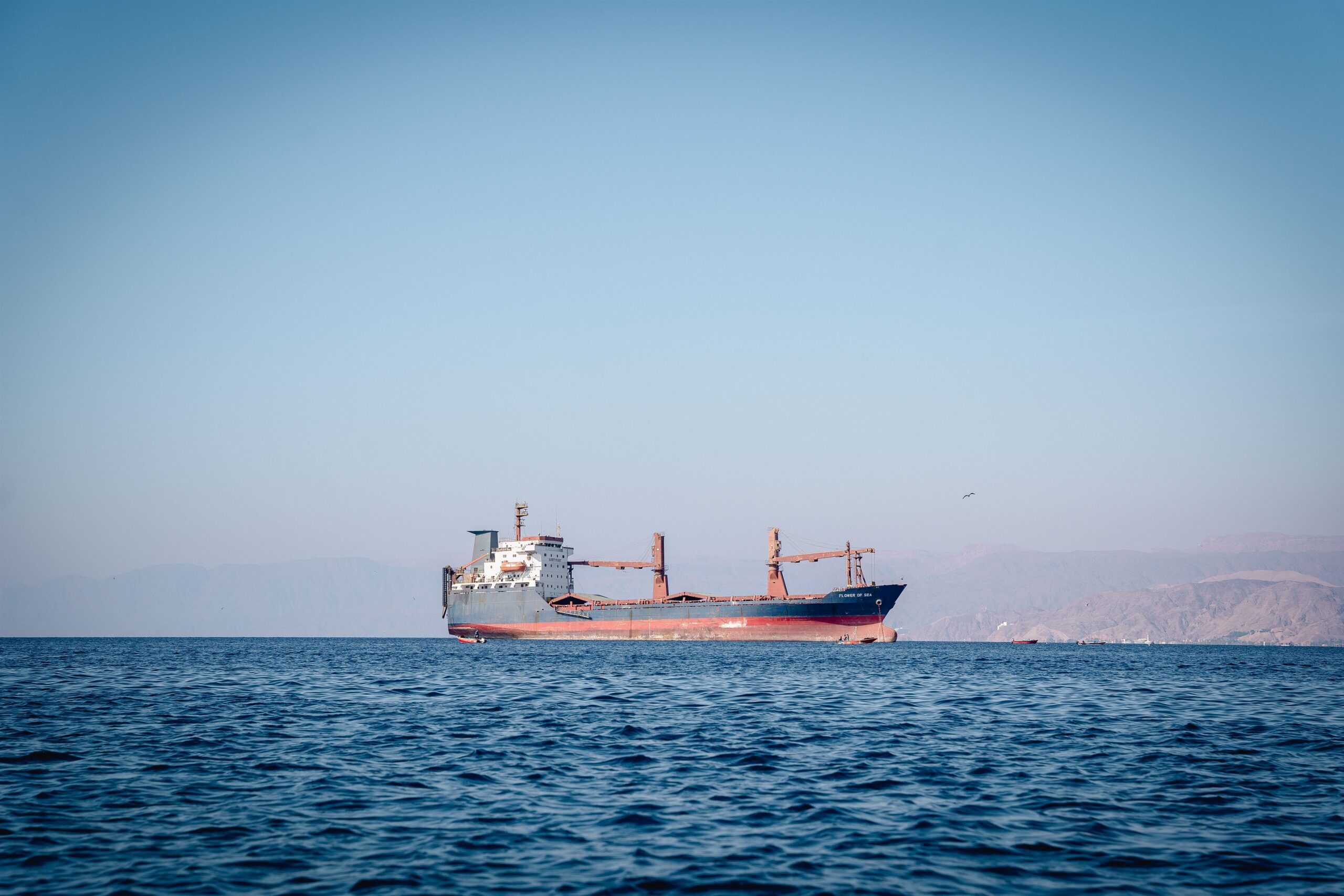
The Strait of Hormuz importance is that 20% of the world’s oil passes through this 21-mile waterway between Iran and Oman.The Strait of Hormuz is the world’s most critical oil chokepoint. This narrow waterway between Iran and Oman is only 21 miles wide at its narrowest point.Every day, nearly 20% of the world’s oil passes through this strait.That means 1 out of every 5 barrels of oil on the planet comes from here. Countries like Saudi Arabia, UAE, and strait of Hormuz importance Qatar depend on it to export oil.Any tension or military activity in the Strait of Hormuz can cause global oil prices to jump overnight. This is why the strait is called the most important shipping lane in the world.
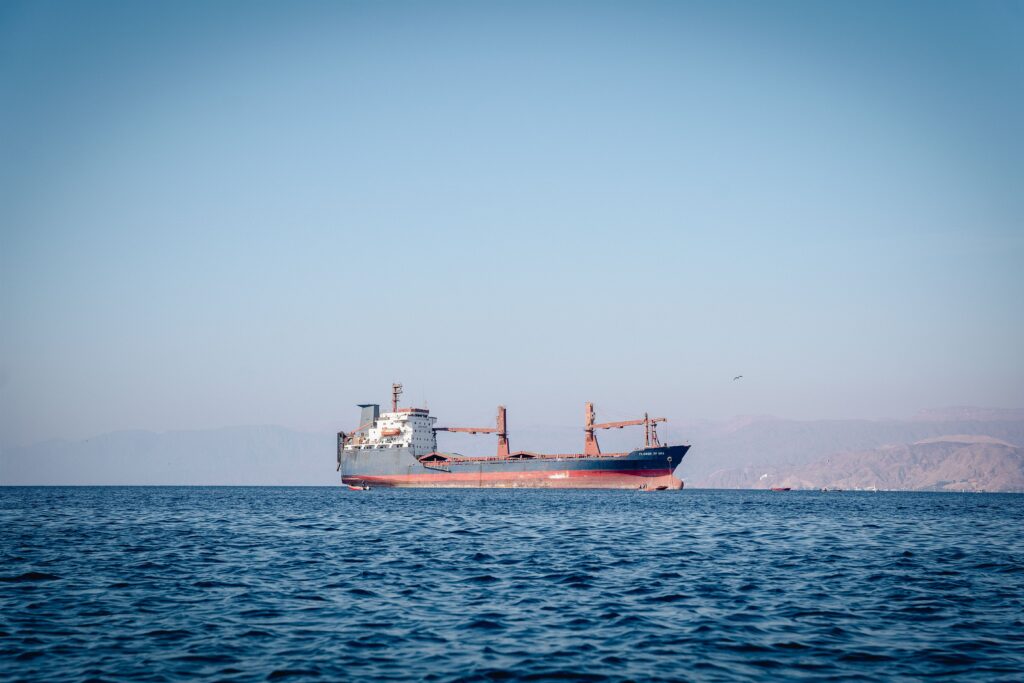
Oil Tanker Strait of Hormuz
What Happens If The Strait of Hormuz Gets Blocked?
EFFECT 1: Oil Price Shock
If the Strait of Hormuz gets blocked, the first thing the world will feel is a massive oil price shock. This 21-mile waterway carries 20% of the world’s oil and 25% of LNG. That means 17-18 million barrels of oil per day would be stuck. Experts say oil prices could jump from $80 to $150 or even $200 per barrel within days. The Strait of Hormuz importance becomes clear because there is no other sea route big enough to replace it. Pipelines in Saudi Arabia and UAE can only move 4-5 million barrels. The rest has no way out. This will hit every country that imports oil, especially India, China, Japan and Europe.
EFFECT 2: Global Inflation and Economy Crisis
A blockage will not just affect oil. It will cause global inflation to spike. Transport, shipping, food, and manufacturing all depend on fuel. When diesel and petrol get expensive, the cost of everything goes up. Airlines will increase ticket prices. Shipping companies will take longer routes around Africa, adding 15 days and huge costs. The Strait of Hormuz importance for the global economy is that it keeps supply chains running. If it closes, stock markets will crash, and many countries could go into recession. Even countries that don’t buy Middle East oil will suffer because global prices are connected.
EFFECT 3: Food and Supply Shortages
The impact will also reach your kitchen. Many Gulf countries import 80-90% of their food through this route. A blockade means food shortages and empty shelves in the region. For the rest of the world, fertilizer and grain shipments will get delayed. Countries like Pakistan, India, and Bangladesh that import LPG for cooking will face gas shortages. The Strait of Hormuz importance in daily life is huge because it’s not just about cars. It’s about food, heat, and electricity for millions of people. Governments would have to release emergency oil reserves, but those will only last 60-90 days.
EFFECT 4: Geopolitical Tensions and Military Risk
Finally, a blockade would create huge geopolitical tensions. The US, UK, and other navies patrol the area to keep it open. Any attempt to close it could lead to military conflict in the region. Iran has threatened to close it before, and other countries have warned of serious consequences. Insurance costs for ships would become 10x higher, so many tankers would refuse to go. The Strait of Hormuz importance for world peace is that keeping it open avoids war and keeps trade flowing. In short, blocking this small waterway would trigger an economic and political crisis worldwide.
In conclusion, the Strait of Hormuz importance cannot be ignored by any nation. This small waterway impacts global oil prices, trade, food security, and world peace. Keeping it open and safe is in the interest of every country that depends on energy and international trade.